

DIP_ESTE_POSGRADO_CTA2

This graduate program

Generate knowledge that contributes to solving problems that are socially relevant from a psychological perspective.

LEARN MORE

DIP_CON_BEC_ADM_CTA4

Call for applications

LEARN MORE

Scholarships and educational support

LEARN MORE

Admissions

LEARN MORE
iteso

Program director

Luis Hernando Silva Castillo, Ph.D.
Doctor and Master in Behavioral Science: Behavior Analysis (UdeG) and Bachelor of Psychology (National University of Colombia). Member of the SNII, Level I. His work has focused on how people learn and the study of the effects of stress on behavior.
He currently works in the field of Neurophysiology and Behavior, where she leads projects that evaluate the interaction between biological and social factors underlying behavior, emotions, and health. Another area of interest is the development of reliable and valid measurement methods in the field of psychological research.
 

iteso
iteso

Contact information:


33 3669 3434,
ext. 3214

doctoradopsicologica@iteso.mx


CUERPO_ACADEMICO_DIP_CTA

Meet the faculty

Reasons to study

this  PhD


You are taking an inter-institutional program with a cross-cutting, interdisciplinary collaborative approach, taught by a network of researchers from ITESO and Ibero Ciudad de México, institutions belonging to the Jesuit University System in Mexico.


You will join a program focused on intervention and research projects located in communities and linked to government and non-governmental bodies, all at a pioneering university in the teaching of Psychology with more than 60 years of experience.


You have the opportunity to undertake research stays at other national and international universities and receive feedback from academics from different parts of the world at doctoral colloquia.

A program built for professionals like you

Imagen mobile
This doctorate is open to professionals who:
  • They must hold a master's degree in Psychology or related fields such as Education, Social Anthropology, or Sociology.
  • Show a desire to promote the biopsychosocial and cultural development of the population, as well as the improvement of their quality of life, and their mental and emotional health.
  • They are interested in research on the problems of vulnerable groups from an ethical and committed perspective.
  • Have prior experience in research (preferred).
  • They can dedicate full time to the program and have the discipline to do intellectual work for extended periods.
Graduate profile
Imagen mobile
Upon completion of this doctorate you will be able to:
  • To identify, based on qualitative and quantitative paradigms, the characteristics of psycho-socio-cultural research designs in order to propose strategies and methodological articulation for any project.
  • To carry out original, high-quality, and cutting-edge research projects in a specialized field of psychology that provide explanations and new solutions to the problems under study.
  • Cultivate skills to work and disseminate findings with national and international teams.
  • Evaluate scientific research projects in the field of psychology and with diverse areas of human knowledge, to recognize trends or areas of research opportunity.
  • Develop cutting-edge conceptual and methodological knowledge to conduct research in support of social and scientific development.
  • To intervene and solve the psychological and social problems that affect Mexican society, particularly in the least favored groups and from a psychosocial and health approach.

Career Opportunities

  • Research projects on a national and international scale.
  • Teaching and research in higher education.
  • Specialized publishing products.
  • Civil society organizations.
  • Public policy development.
  • Management of educational institutions.

LGAC_DOCTORADO_INVESTIGACION_PSICOLOGICA_BL5

The Lines of Knowledge Generation and Application (LGAC) are the thematic fields that characterize the program. They bring together the research or professional work trajectories of professors and students, from a systemic perspective of generating new knowledge or applying it, according to its nature and approach.

This line of research aims to generate knowledge related to two aspects of sociocultural problems. On the one hand, it focuses on the biopsychosocial processes, conditions, and factors that enable or limit the development of individuals, groups, communities, institutions, and societies, as well as the mediations and interconnections between these diverse levels, whether in their processes of change or cultural stabilization.

Furthermore, it focuses on psychosocial processes such as collective action, the meaning and defense of territory, the appropriation of space, the management of affects and afflictions, the processes of subjectivation, as well as the control and power mechanisms that define new trajectories of meaning for inhabiting the world.

Topics

  • Psychosocial and cultural development.
  • Socioculturally mediated learning.
  • Cultural diversity.
  • Expressions and transformations of cultural groups.
  • Subjectivities.
  • Social memory.
  • Social conflict.
  • History of Psychology.
  • Urban imaginaries.
  • Segregation and displacement.
  • Sociocultural dynamics of transit and mobility.
  • Collective action and defense of the territory.

The overall objective of this line is to generate collective research products and exchange methods and topics belonging to the field of health psychology and psychotherapy in order to identify the effectiveness of different interventions.


TOPICS

  • Case studies in health psychology and psychotherapy.

  • Modes of intervention and promotion of change in psychotherapy and health psychology.

  • Ethics of care and social ideals.

  • Promoting health in individuals and communities.

  • Healthy lifestyles.

The objective of this research line is to understand human subjectivity within the context of group and individual interactions, placing the sociocultural context at the heart of explaining these phenomena. To this end, mixed-methods research—qualitative and quantitative—is being developed to explore, describe, compare, and generate explanatory models of human behavior from an ethnopsychological perspective. Furthermore, the research fosters the updating of scientific knowledge, critical thinking and debate, and the mastery of statistical and experimental and non-experimental methodological tools that allow for the collection of data through instruments and assessments developed by the researchers themselves.

TOPICS

  • Ethnopsychological measurement and evaluation; Processes of cultural adaptation (acculturation, migration).

  • Analysis of interpersonal relationships from a gender perspective (couples and emotional bonds).

  • Analysis of power relations from a gender perspective (violence and aggression).

  • Corporeality, sexualities and gender identities (masculinities, sexualities).

This research line seeks to study the interaction between biological and social factors underlying human behavior, emotions, and health, through basic and applied research in animal and human models. It aims to generate original knowledge and research in the area of behavior through learning and the application of cutting-edge techniques and advanced technology in psychophysiology.


TOPICS

  • Electrophysiology. Psychopharmacology.

  • Emotions. Stress and health; Sexual behavior; Attention.

  • Health psychology and protective and risk behaviors.

  • Genetics of aging and memory.

  • Psychoneuroimmunoendocrinology.

The overall objective of this line of research is to analyze the conditions of vulnerability in terms of types and sources in specific populations, in order to design psychosocial intervention models, apply them and evaluate their effectiveness in improving the quality of life.


TOPICS

  • Migration and displacement; Agency and social ties.

  • People who are victims of violence.

  • Families of missing persons.

  • Individual and community resilience.

  • Discrimination.

Lines of Knowledge Generation and Application

The Lines of Knowledge Generation and Application (LGAC) are the thematic fields that characterize the program. They bring together the research or professional work trajectories of professors and students, from a systemic perspective of generating new knowledge or applying it, according to its nature and approach.

This line of research aims to generate knowledge related to two aspects of sociocultural problems. On the one hand, it focuses on the biopsychosocial processes, conditions, and factors that enable or limit the development of individuals, groups, communities, institutions, and societies, as well as the mediations and interconnections between these diverse levels, whether in their processes of change or cultural stabilization.

Furthermore, it focuses on psychosocial processes such as collective action, the meaning and defense of territory, the appropriation of space, the management of affects and afflictions, the processes of subjectivation, as well as the control and power mechanisms that define new trajectories of meaning for inhabiting the world.

Topics

  • Psychosocial and cultural development.
  • Socioculturally mediated learning.
  • Cultural diversity.
  • Expressions and transformations of cultural groups.
  • Subjectivities.
  • Social memory.
  • Social conflict.
  • History of Psychology.
  • Urban imaginaries.
  • Segregation and displacement.
  • Sociocultural dynamics of transit and mobility.
  • Collective action and defense of the territory.

The overall objective of this line is to generate collective research products and exchange methods and topics belonging to the field of health psychology and psychotherapy in order to identify the effectiveness of different interventions.


TOPICS

  • Case studies in health psychology and psychotherapy.

  • Modes of intervention and promotion of change in psychotherapy and health psychology.

  • Ethics of care and social ideals.

  • Promoting health in individuals and communities.

  • Healthy lifestyles.

The objective of this research line is to understand human subjectivity within the context of group and individual interactions, placing the sociocultural context at the heart of explaining these phenomena. To this end, mixed-methods research—qualitative and quantitative—is being developed to explore, describe, compare, and generate explanatory models of human behavior from an ethnopsychological perspective. Furthermore, the research fosters the updating of scientific knowledge, critical thinking and debate, and the mastery of statistical and experimental and non-experimental methodological tools that allow for the collection of data through instruments and assessments developed by the researchers themselves.

TOPICS

  • Ethnopsychological measurement and evaluation; Processes of cultural adaptation (acculturation, migration).

  • Analysis of interpersonal relationships from a gender perspective (couples and emotional bonds).

  • Analysis of power relations from a gender perspective (violence and aggression).

  • Corporeality, sexualities and gender identities (masculinities, sexualities).

This research line seeks to study the interaction between biological and social factors underlying human behavior, emotions, and health, through basic and applied research in animal and human models. It aims to generate original knowledge and research in the area of behavior through learning and the application of cutting-edge techniques and advanced technology in psychophysiology.


TOPICS

  • Electrophysiology. Psychopharmacology.

  • Emotions. Stress and health; Sexual behavior; Attention.

  • Health psychology and protective and risk behaviors.

  • Genetics of aging and memory.

  • Psychoneuroimmunoendocrinology.

The overall objective of this line of research is to analyze the conditions of vulnerability in terms of types and sources in specific populations, in order to design psychosocial intervention models, apply them and evaluate their effectiveness in improving the quality of life.


TOPICS

  • Migration and displacement; Agency and social ties.

  • People who are victims of violence.

  • Families of missing persons.

  • Individual and community resilience.

  • Discrimination.

DIP_PLAN_DE_ESTUDIOS_CTA

EXPERIENCIA_POSGRADO_BT1

A Rich Graduate Experience

ITESO’s graduate programs are supported by a renowned academic faculty comprising leading experts in their fields, who are actively engaged in real-world projects that offer concrete solutions. The university boasts over 100 researchers, 79 of whom are affiliated with Mexico’s National System of Researchers (SNII). Some are also members of the Mexican Academy of Sciences.
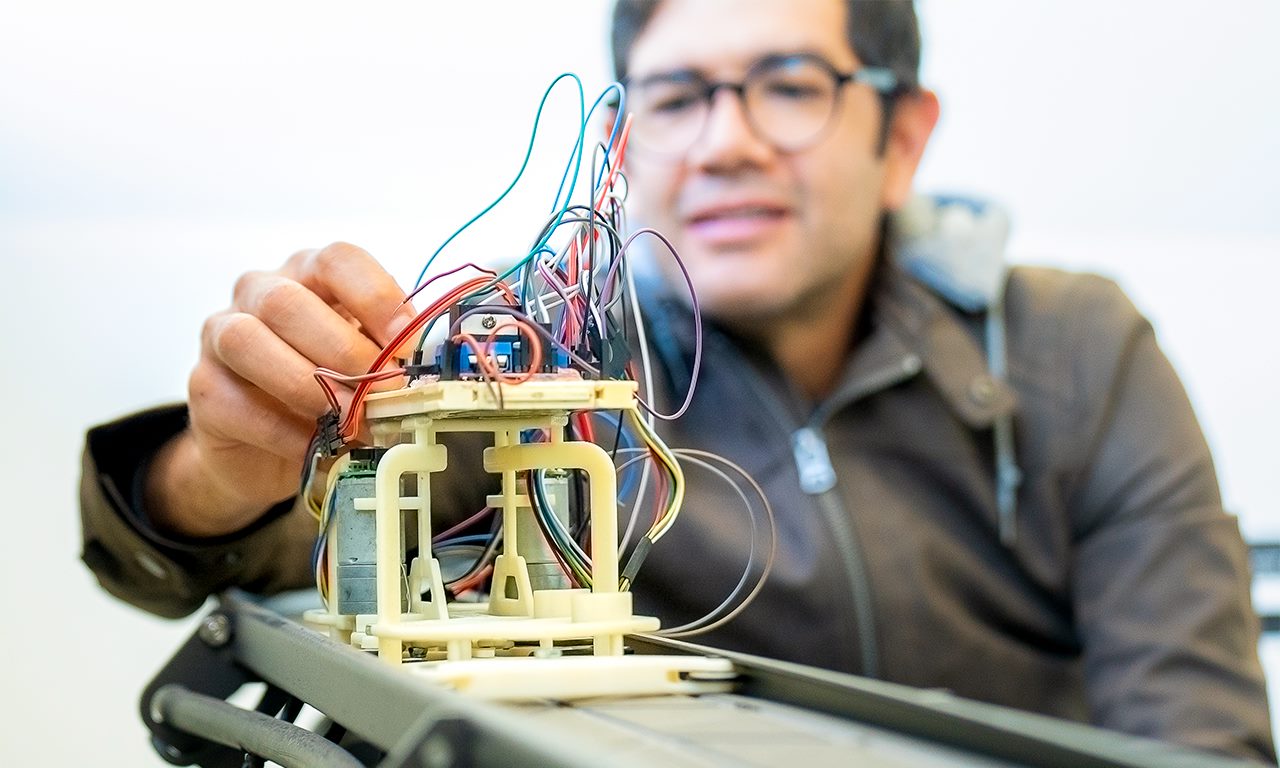
Research at ITESO generates new, rigorous, and relevant knowledge focused on some of the region’s and country’s most pressing challenges. Areas of impact include human rights, access to justice, renewable energy, sustainable resource management, food security, mental health and well-being, quality education, data science, and public communication, among others. These programs aim to offer development alternatives, influence public policy, foster technological innovation, and promote socially impactful projects.

One of the key advantages of ITESO’s graduate programs is the opportunity for international academic exchange through alliances with the International Association of Jesuit Universities (IAJU), a global network of over 320 institutions. Additionally, programs supported by Conacyt offer research stays in Mexico and abroad for fieldwork, study, or the completion of research projects.

Sustainability is an institutional priority that drives research, education, and community engagement projects at ITESO. These initiatives aim to develop comprehensive, long-term strategies for ecosystem stewardship that are in harmony with local communities. ITESO’s campus is one of the most sustainable in the country, and among the few in the world with a protected forest on its grounds.
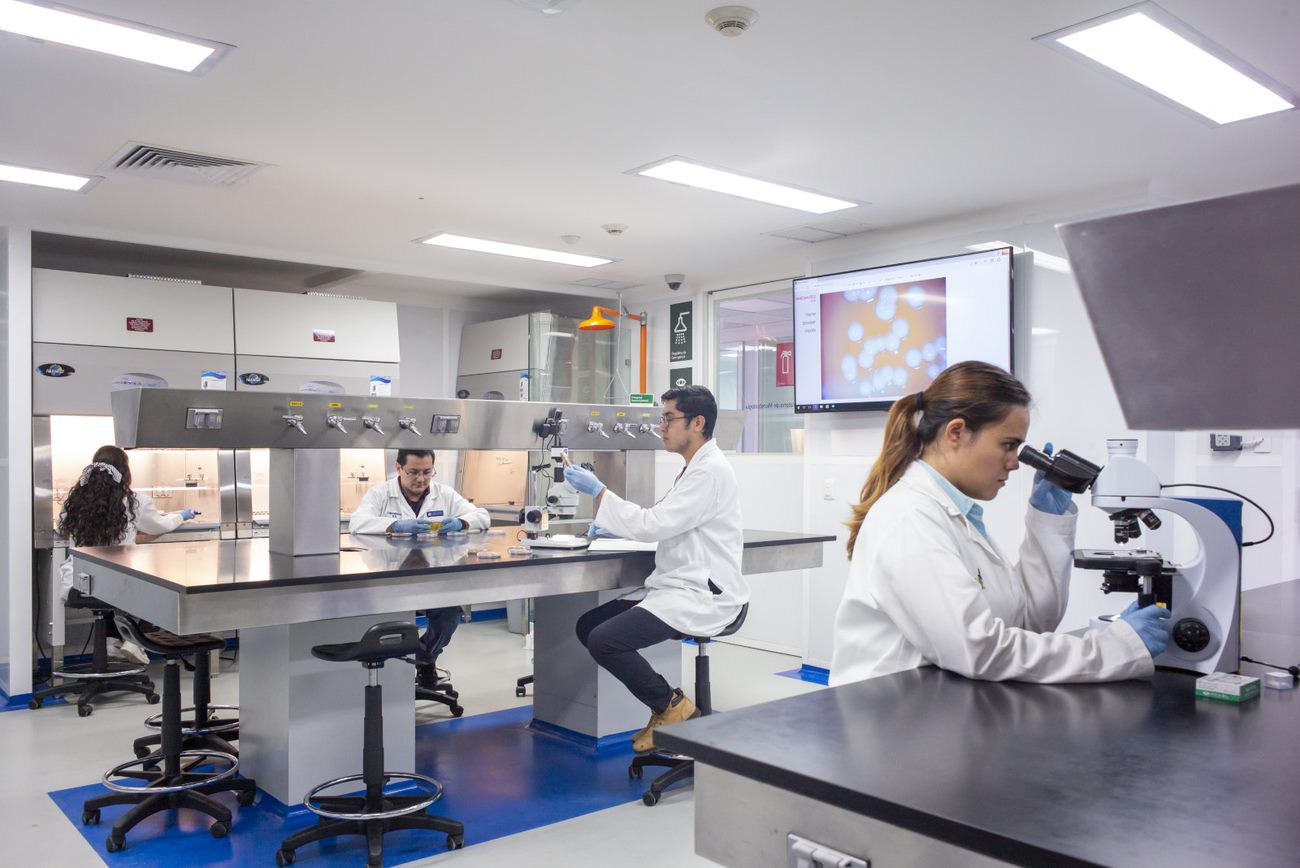
ITESO offers access to more than 100 specialized laboratories in areas such as nanotechnology, data science, food engineering, mechatronics, biotechnology, chemistry, systems, communication, multimedia, languages, nutrition, neuromarketing, arts, building technologies, and more. Facilities also include simulated courtrooms, exhibition spaces, mediation rooms, and audiovisual projection labs.
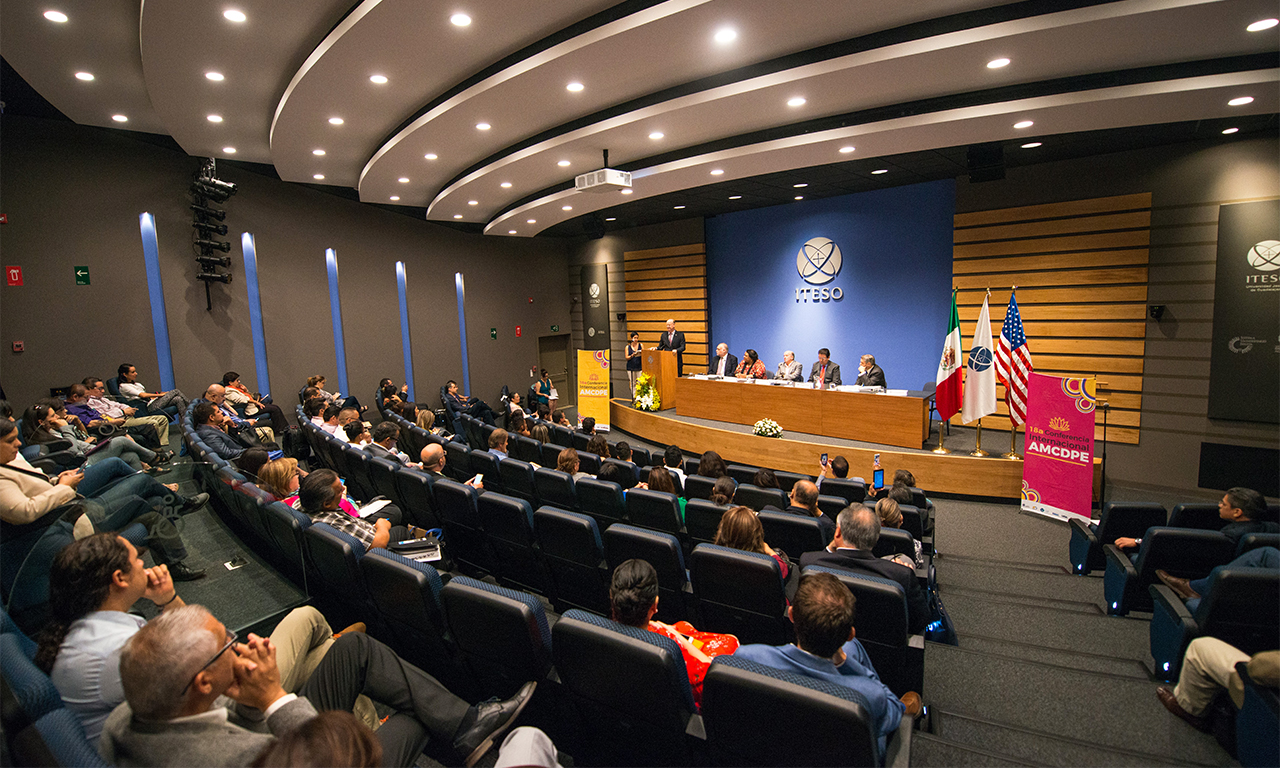
ITESO’s lectures foster dialogue, critical thinking, and the exchange of ideas across sectors. They provide spaces for collaboration between academia, industry, and civil society, aimed at generating knowledge with high social impact. These initiatives also strengthen academic networks and support faculty and student mobility.
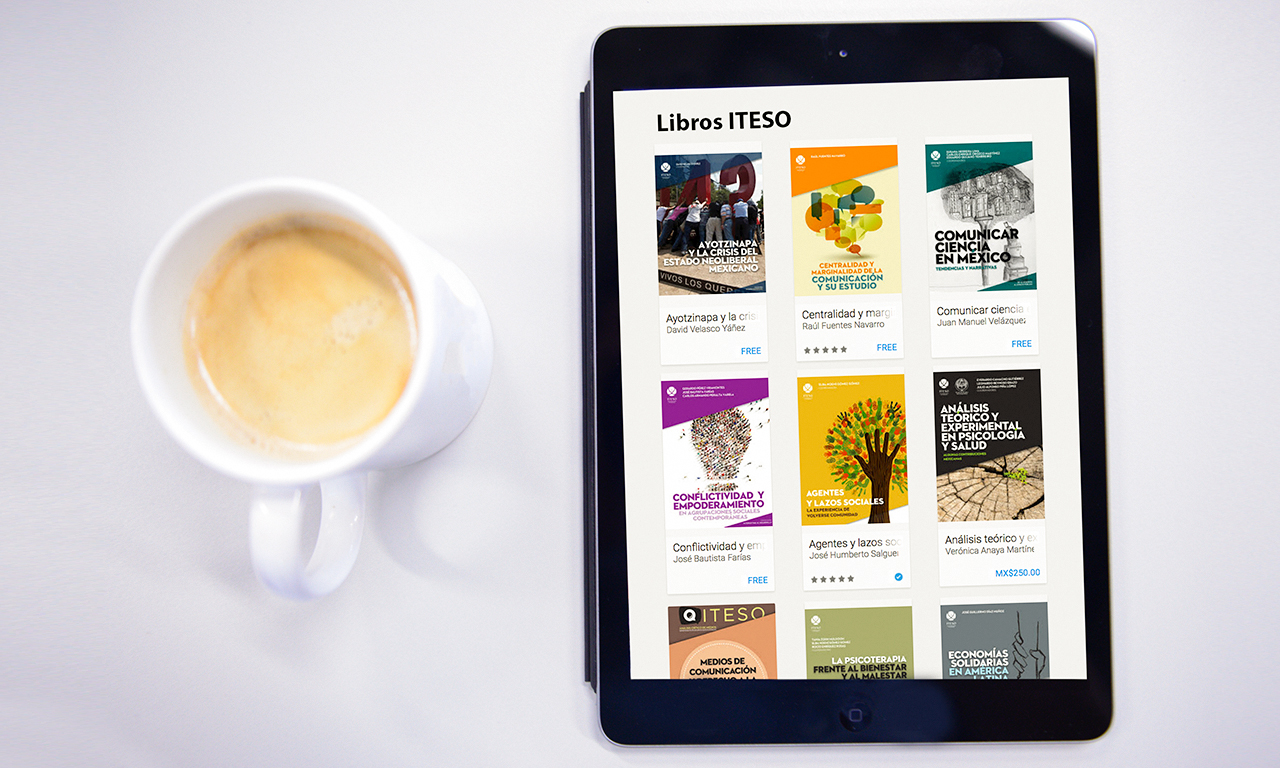
With more than 80 active academic journals and a robust catalogue of books, ITESO leads private universities in the region in scholarly publishing. Publications cover diverse disciplines, promote interdisciplinary collaboration, and are widely accessible—many available for free download online.

ITESO holds the most significant number of industry collaboration agreements among private universities in western Mexico. The university also offers dual-degree programs with institutions such as the University of Koblenz (Germany), Boston College, and Central Michigan University (USA).
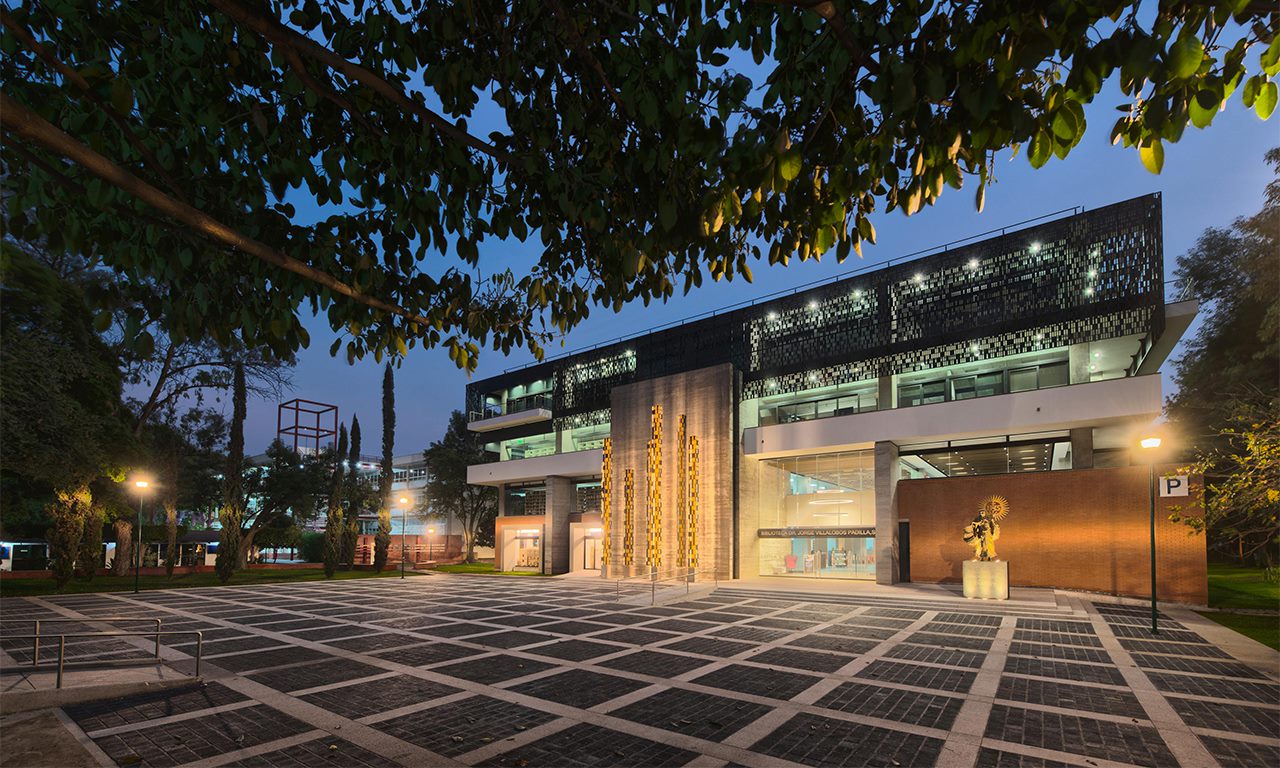
ITESO’s library houses more than 640,000 physical volumes and 200,000 digital resources, including books, journals, blueprints, films, and a collection of rare and antique books. Open to the public, the library features reading rooms, exhibition spaces, a cinema, an agora, a material library, and collaborative workspaces.

ITESO offers expert consulting and support for businesses at all stages of development through the Center for Innovation and Technology Management, the High-Impact Social Innovation Center, and the University-Business Center. Graduate students engage in projects focused on entrepreneurship, innovation, business acceleration, solidarity economies, and fair trade alternatives.

ITESO’s graduate programs are supported by a renowned academic faculty comprising leading experts in their fields, who are actively engaged in real-world projects that offer concrete solutions. The university boasts over 100 researchers, 79 of whom are affiliated with Mexico’s National System of Researchers (SNII). Some are also members of the Mexican Academy of Sciences.

Research at ITESO generates new, rigorous, and relevant knowledge focused on some of the region’s and country’s most pressing challenges. Areas of impact include human rights, access to justice, renewable energy, sustainable resource management, food security, mental health and well-being, quality education, data science, and public communication, among others. These programs aim to offer development alternatives, influence public policy, foster technological innovation, and promote socially impactful projects.

One of the key advantages of ITESO’s graduate programs is the opportunity for international academic exchange through alliances with the International Association of Jesuit Universities (IAJU), a global network of over 320 institutions. Additionally, programs supported by Conacyt offer research stays in Mexico and abroad for fieldwork, study, or the completion of research projects.

Sustainability is an institutional priority that drives research, education, and community engagement projects at ITESO. These initiatives aim to develop comprehensive, long-term strategies for ecosystem stewardship that are in harmony with local communities. ITESO’s campus is one of the most sustainable in the country, and among the few in the world with a protected forest on its grounds.

ITESO offers access to more than 100 specialized laboratories in areas such as nanotechnology, data science, food engineering, mechatronics, biotechnology, chemistry, systems, communication, multimedia, languages, nutrition, neuromarketing, arts, building technologies, and more. Facilities also include simulated courtrooms, exhibition spaces, mediation rooms, and audiovisual projection labs.

ITESO’s lectures foster dialogue, critical thinking, and the exchange of ideas across sectors. They provide spaces for collaboration between academia, industry, and civil society, aimed at generating knowledge with high social impact. These initiatives also strengthen academic networks and support faculty and student mobility.

With more than 80 active academic journals and a robust catalogue of books, ITESO leads private universities in the region in scholarly publishing. Publications cover diverse disciplines, promote interdisciplinary collaboration, and are widely accessible—many available for free download online.

ITESO holds the most significant number of industry collaboration agreements among private universities in western Mexico. The university also offers dual-degree programs with institutions such as the University of Koblenz (Germany), Boston College, and Central Michigan University (USA).

ITESO’s library houses more than 640,000 physical volumes and 200,000 digital resources, including books, journals, blueprints, films, and a collection of rare and antique books. Open to the public, the library features reading rooms, exhibition spaces, a cinema, an agora, a material library, and collaborative workspaces.

ITESO offers expert consulting and support for businesses at all stages of development through the Center for Innovation and Technology Management, the High-Impact Social Innovation Center, and the University-Business Center. Graduate students engage in projects focused on entrepreneurship, innovation, business acceleration, solidarity economies, and fair trade alternatives.

INVESTIGACION_ITESO_GENERALES_POSGRADOS_TESTIMONIO

Research at ITESO

“Universities are called to be places of possibilities — to open horizons through research and engagement”.

Arturo Sosa, SJ


ACTIVIDADES_DIP_BC6

Activities

RECONOCIMIENTOS_Y_ACREDITACIONES_GENERALES_POSGRADOS_CTA4-5

Accreditations

MORE

Graduate regulations

MORE

ITESO Graduate programs on Social Media

Noticias

Asset Publisher

OTROS_POSGRADOS_TITULO_GENERALES_POSGRADOS_BL3

Other graduate programs you may be interested in

OTROS_POSGRADOS_DOCTORADO_INVESTIGACION_PSICOLOGICA_CTA4

PhD in Social Sciences

LEARN MORE

Inter - Institutional PhD in Education

LEARN MORE

Master's Degree in Communication and Culture

LEARN MORE
Request information
Get the detailed information you need to decide if this graduate program is right for you.
I agree with the privacy policies