




Master's Degree in Psychotherapy
On-campus program. Duration: two and a half years. Semester-based.


Bernardo Enrique Tovar Roque, Ph.D.
Psychologist from the University of Guadalajara (UdeG). Master's degree in Professional Counseling from Georgia State University. Master's degree in Systemic Family Therapy from UNIVA. Doctorate in Psychological Research from the Ibero-American University, Santa Fe campus. Studies in clinical hypnosis endorsed by The Milton H. Erickson Foundation.
He has 25 years of psychotherapeutic experience working with individuals, groups, and families, both in private practice and in institutional settings. His research focuses on the micro-analytic study of therapeutic processes.

Reasons to study
this master's degree
You join a program that emphasizes the care and understanding of the person, understanding them as the most important starting point of clinical work.
You receive support from an academic staff with extensive experience in psychotherapeutic training and practice, as well as research in the field.
You have access to one of the most important science and humanities libraries in the entire country, as well as resources for research, development and evaluation of your projects.


ITESO’s graduate programs are supported by a renowned academic faculty comprising leading experts in their fields, who are actively engaged in real-world projects that offer concrete solutions. The university boasts over 100 researchers, 79 of whom are affiliated with Mexico’s National System of Researchers (SNII). Some are also members of the Mexican Academy of Sciences.
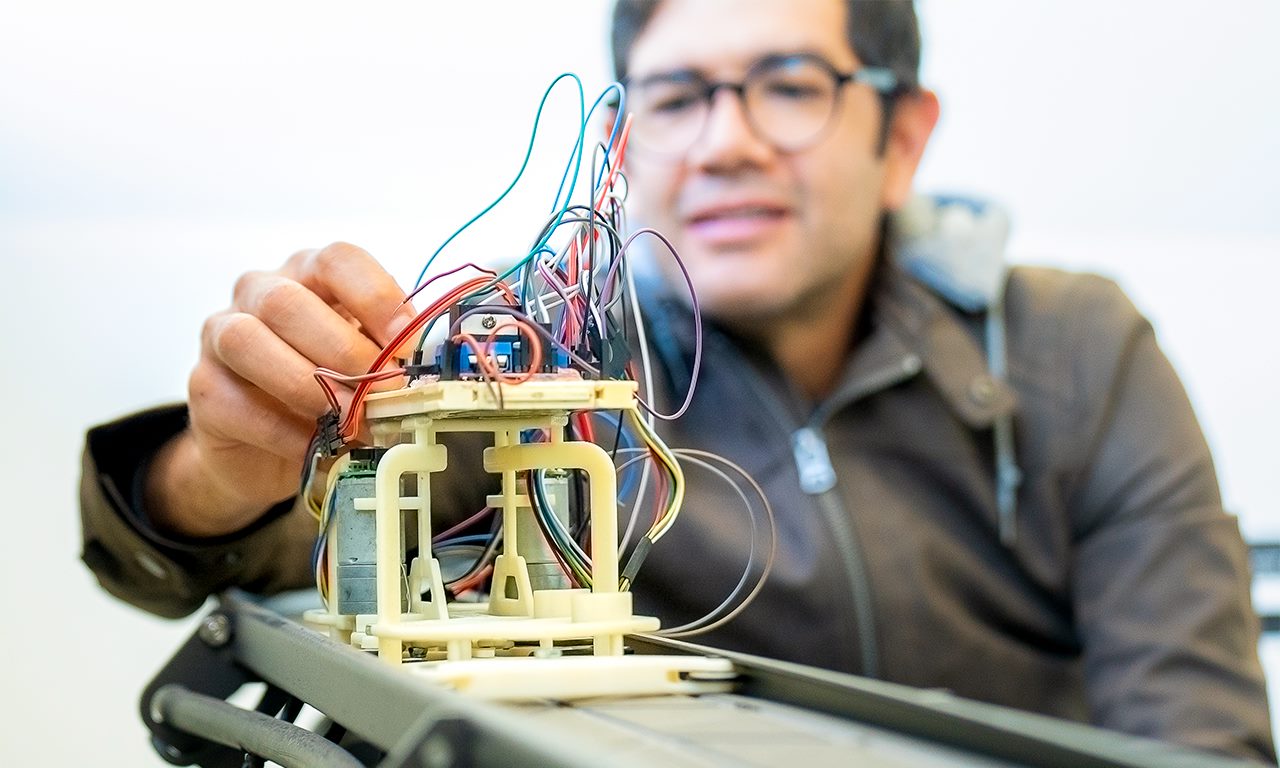
Research at ITESO generates new, rigorous, and relevant knowledge focused on some of the region’s and country’s most pressing challenges. Areas of impact include human rights, access to justice, renewable energy, sustainable resource management, food security, mental health and well-being, quality education, data science, and public communication, among others. These programs aim to offer development alternatives, influence public policy, foster technological innovation, and promote socially impactful projects.

One of the key advantages of ITESO’s graduate programs is the opportunity for international academic exchange through alliances with the International Association of Jesuit Universities (IAJU), a global network of over 320 institutions. Additionally, programs supported by Conacyt offer research stays in Mexico and abroad for fieldwork, study, or the completion of research projects.
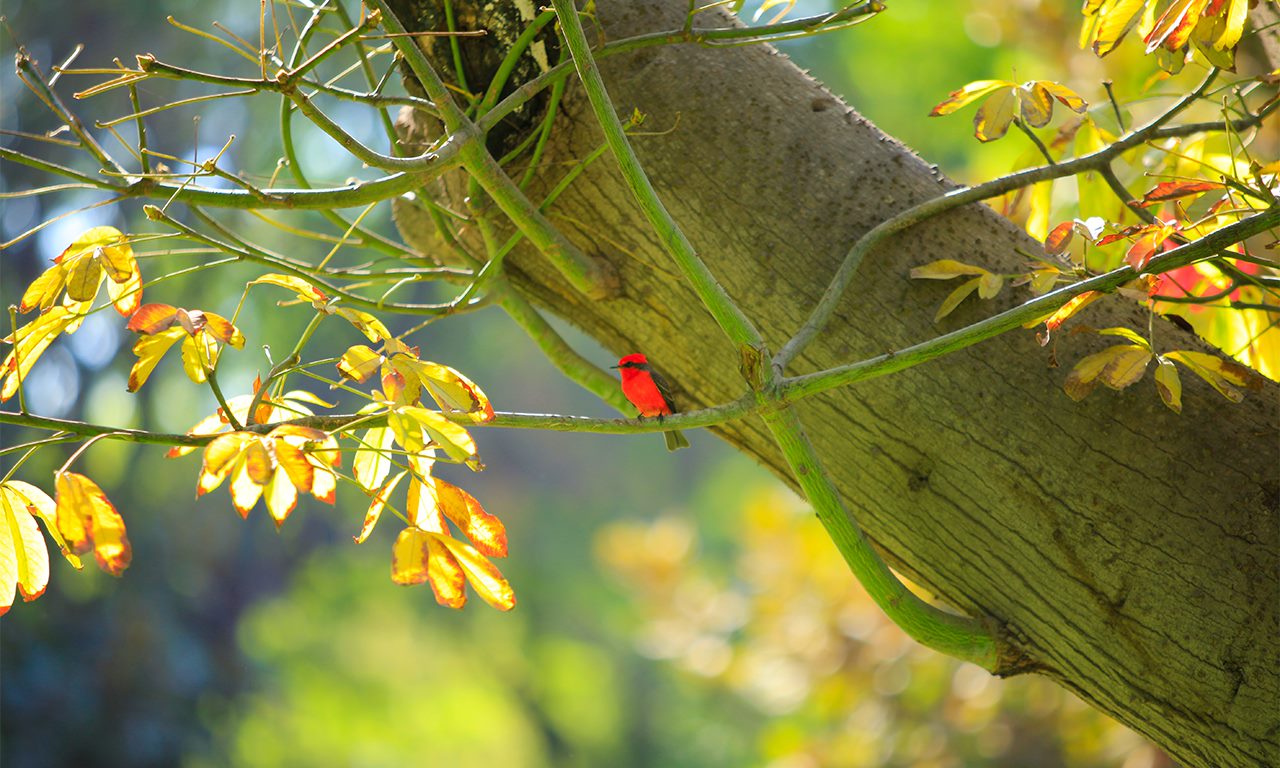
Sustainability is an institutional priority that drives research, education, and community engagement projects at ITESO. These initiatives aim to develop comprehensive, long-term strategies for ecosystem stewardship that are in harmony with local communities. ITESO’s campus is one of the most sustainable in the country, and among the few in the world with a protected forest on its grounds.
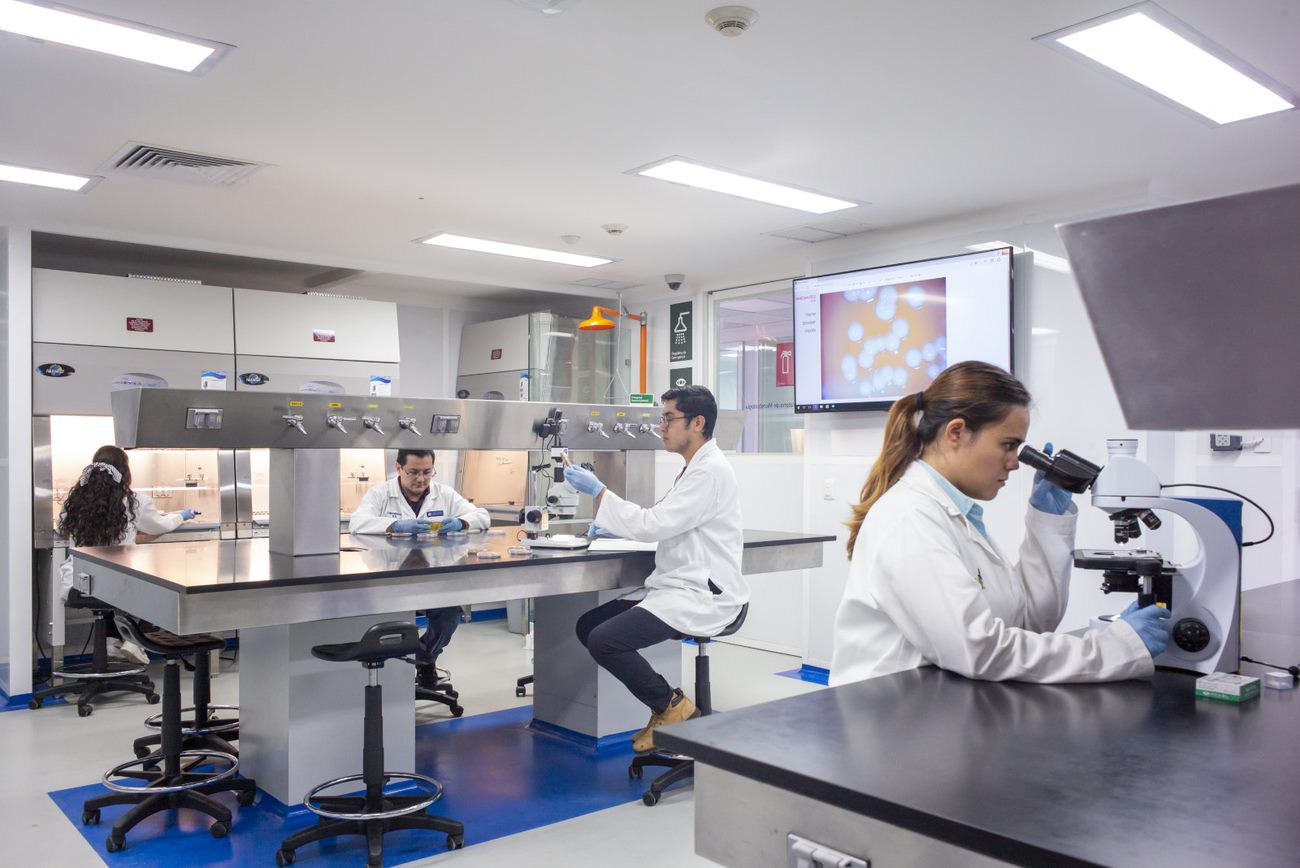
ITESO offers access to more than 100 specialized laboratories in areas such as nanotechnology, data science, food engineering, mechatronics, biotechnology, chemistry, systems, communication, multimedia, languages, nutrition, neuromarketing, arts, building technologies, and more. Facilities also include simulated courtrooms, exhibition spaces, mediation rooms, and audiovisual projection labs.
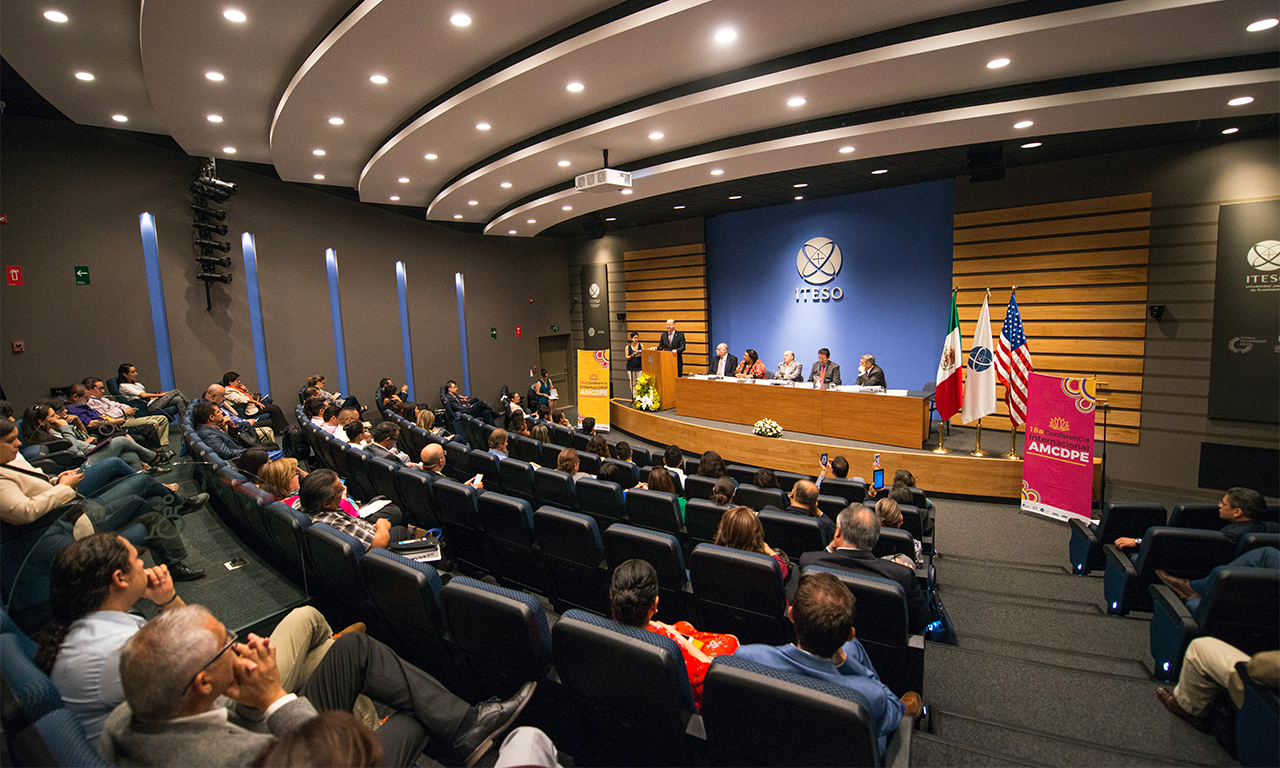
ITESO’s lectures foster dialogue, critical thinking, and the exchange of ideas across sectors. They provide spaces for collaboration between academia, industry, and civil society, aimed at generating knowledge with high social impact. These initiatives also strengthen academic networks and support faculty and student mobility.
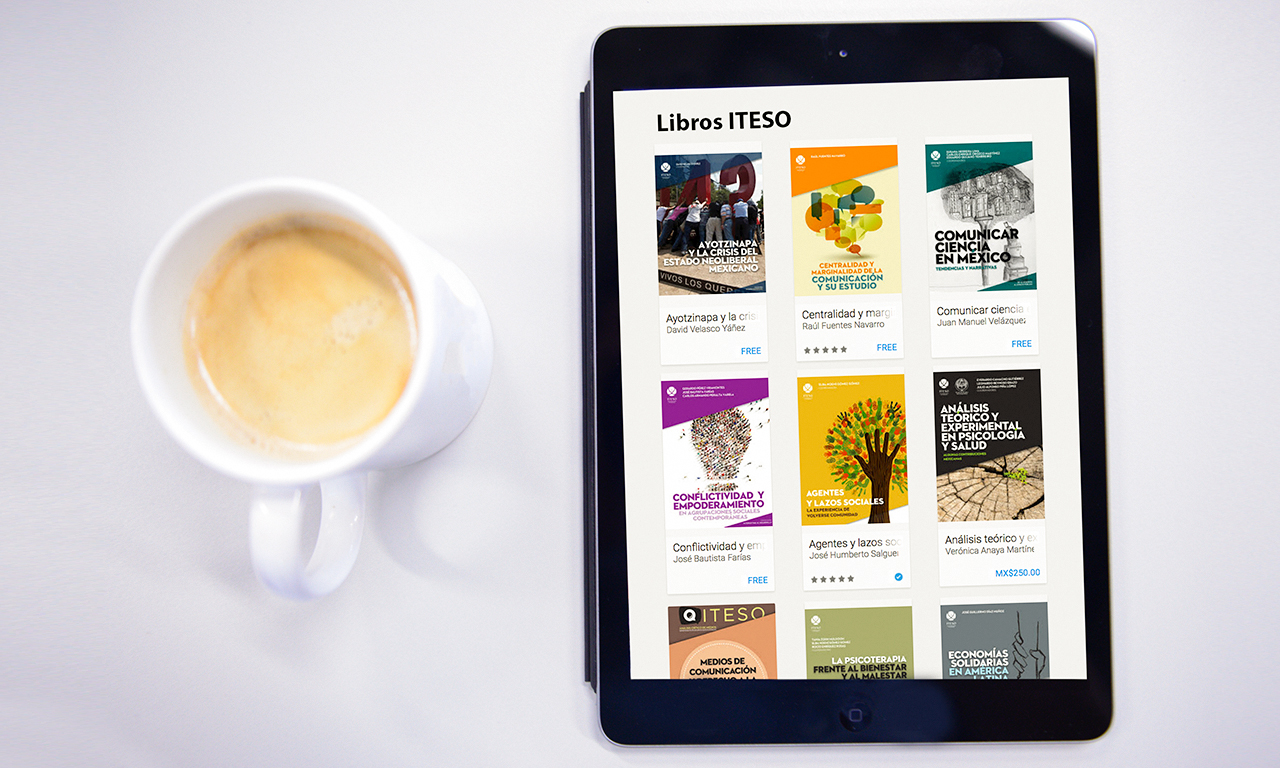
With more than 80 active academic journals and a robust catalogue of books, ITESO leads private universities in the region in scholarly publishing. Publications cover diverse disciplines, promote interdisciplinary collaboration, and are widely accessible—many available for free download online.

ITESO holds the most significant number of industry collaboration agreements among private universities in western Mexico. The university also offers dual-degree programs with institutions such as the University of Koblenz (Germany), Boston College, and Central Michigan University (USA).
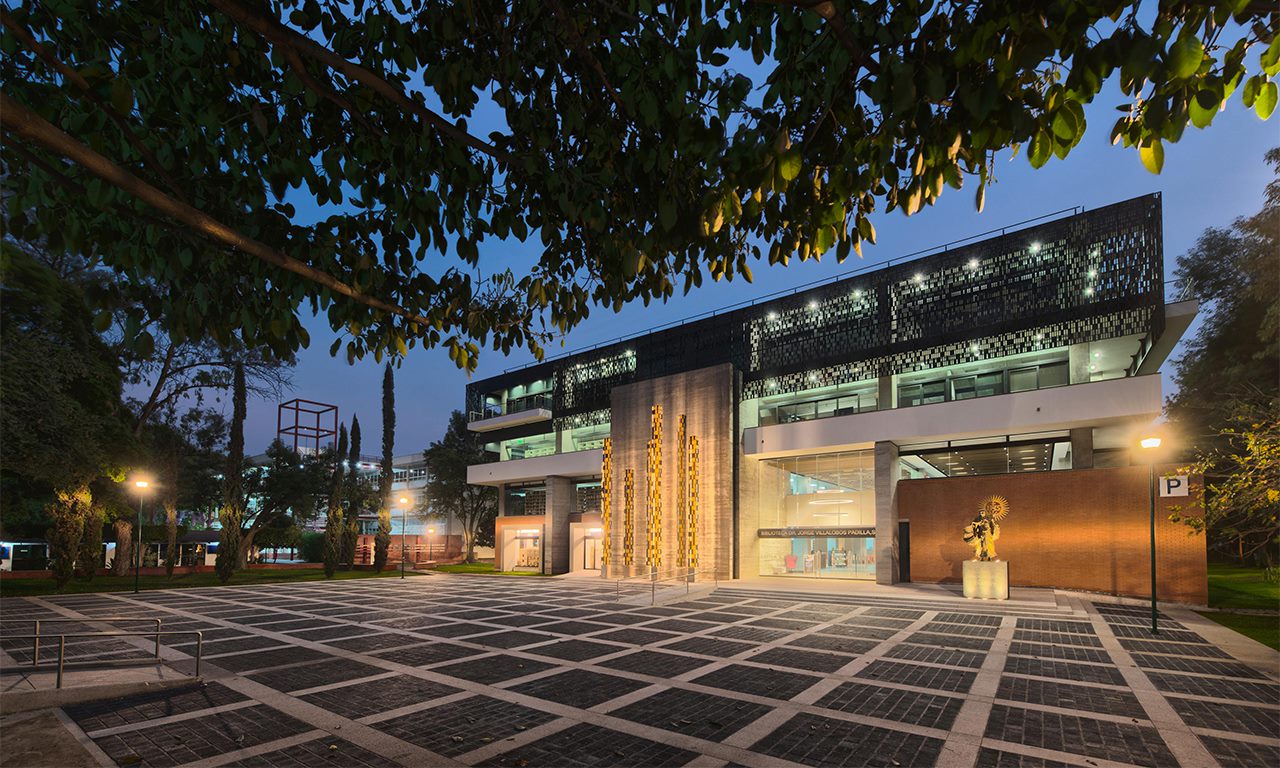
ITESO’s library houses more than 640,000 physical volumes and 200,000 digital resources, including books, journals, blueprints, films, and a collection of rare and antique books. Open to the public, the library features reading rooms, exhibition spaces, a cinema, an agora, a material library, and collaborative workspaces.

ITESO offers expert consulting and support for businesses at all stages of development through the Center for Innovation and Technology Management, the High-Impact Social Innovation Center, and the University-Business Center. Graduate students engage in projects focused on entrepreneurship, innovation, business acceleration, solidarity economies, and fair trade alternatives.
Distinguished faculty
Research programs
Academic mobility
Sustainability
Computer systems
Lectures
Publications
Partnerships
Library
Business & Entrepreneurship
ITESO’s graduate programs are supported by a renowned academic faculty comprising leading experts in their fields, who are actively engaged in real-world projects that offer concrete solutions. The university boasts over 100 researchers, 79 of whom are affiliated with Mexico’s National System of Researchers (SNII). Some are also members of the Mexican Academy of Sciences.
Research at ITESO generates new, rigorous, and relevant knowledge focused on some of the region’s and country’s most pressing challenges. Areas of impact include human rights, access to justice, renewable energy, sustainable resource management, food security, mental health and well-being, quality education, data science, and public communication, among others. These programs aim to offer development alternatives, influence public policy, foster technological innovation, and promote socially impactful projects.
One of the key advantages of ITESO’s graduate programs is the opportunity for international academic exchange through alliances with the International Association of Jesuit Universities (IAJU), a global network of over 320 institutions. Additionally, programs supported by Conacyt offer research stays in Mexico and abroad for fieldwork, study, or the completion of research projects.
Sustainability is an institutional priority that drives research, education, and community engagement projects at ITESO. These initiatives aim to develop comprehensive, long-term strategies for ecosystem stewardship that are in harmony with local communities. ITESO’s campus is one of the most sustainable in the country, and among the few in the world with a protected forest on its grounds.
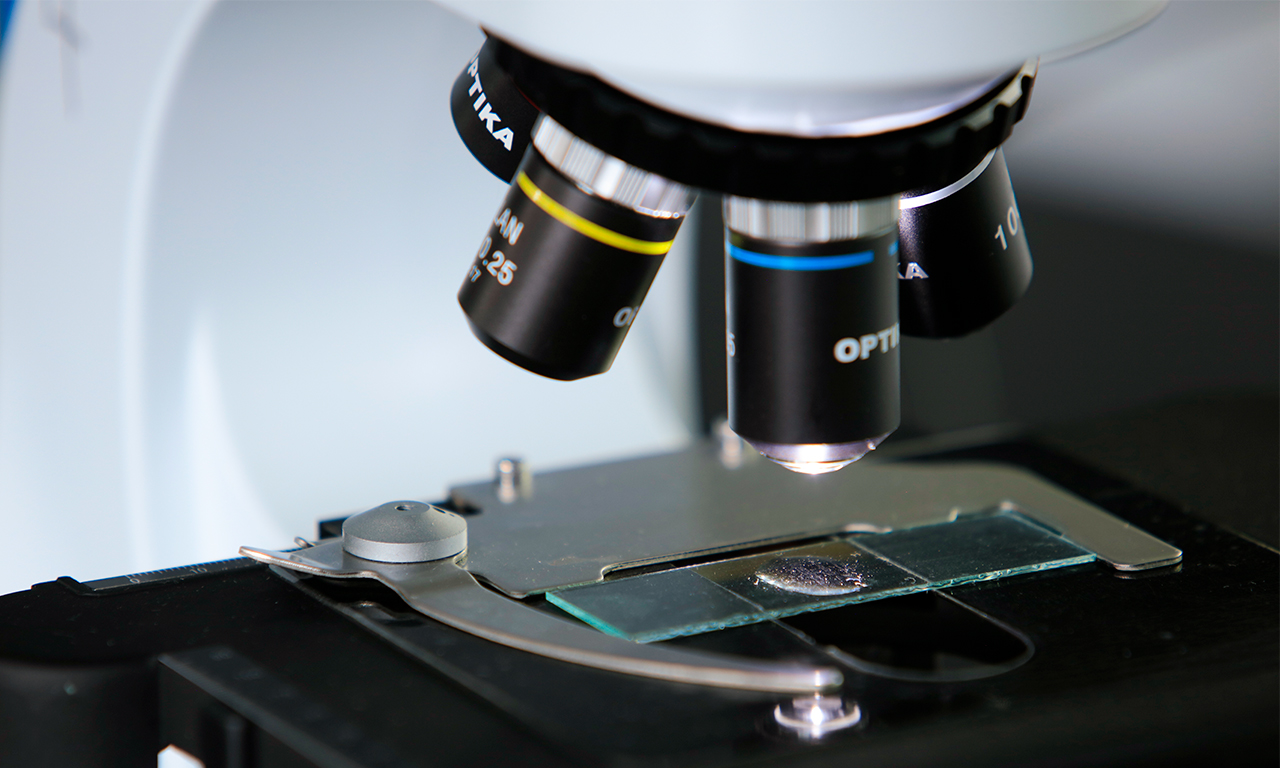
ITESO offers access to more than 100 specialized laboratories in areas such as nanotechnology, data science, food engineering, mechatronics, biotechnology, chemistry, systems, communication, multimedia, languages, nutrition, neuromarketing, arts, building technologies, and more. Facilities also include simulated courtrooms, exhibition spaces, mediation rooms, and audiovisual projection labs.
ITESO’s lectures foster dialogue, critical thinking, and the exchange of ideas across sectors. They provide spaces for collaboration between academia, industry, and civil society, aimed at generating knowledge with high social impact. These initiatives also strengthen academic networks and support faculty and student mobility.
With more than 80 active academic journals and a robust catalogue of books, ITESO leads private universities in the region in scholarly publishing. Publications cover diverse disciplines, promote interdisciplinary collaboration, and are widely accessible—many available for free download online.
ITESO holds the most significant number of industry collaboration agreements among private universities in western Mexico. The university also offers dual-degree programs with institutions such as the University of Koblenz (Germany), Boston College, and Central Michigan University (USA).
ITESO’s library houses more than 640,000 physical volumes and 200,000 digital resources, including books, journals, blueprints, films, and a collection of rare and antique books. Open to the public, the library features reading rooms, exhibition spaces, a cinema, an agora, a material library, and collaborative workspaces.
ITESO offers expert consulting and support for businesses at all stages of development through the Center for Innovation and Technology Management, the High-Impact Social Innovation Center, and the University-Business Center. Graduate students engage in projects focused on entrepreneurship, innovation, business acceleration, solidarity economies, and fair trade alternatives.
Get the detailed information you need to decide if this graduate program is right for you.